









|
Quantity
|
Total
|
||
|
|
|||
|
|
|||
Laboratory refrigerators
Laboratory refrigerators maintain specified storage conditions for reagents, calibrators, control materials, prepared samples and other temperature-sensitive supplies. Always select the storage temperature from the material manufacturer’s instructions and your laboratory procedure. The category name alone does not establish suitability for a particular material.
Laboratory refrigerators for reagents, samples and control materials
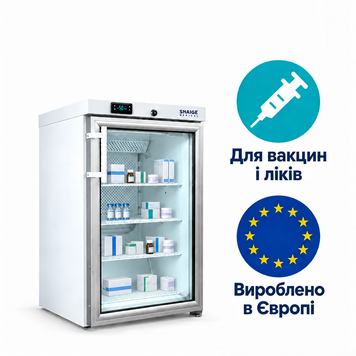
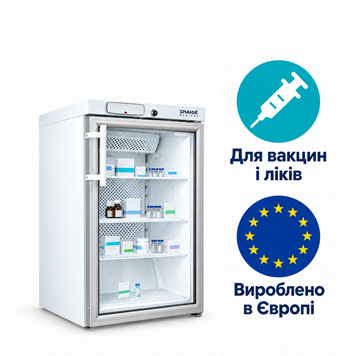
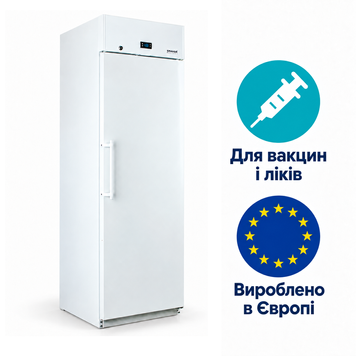
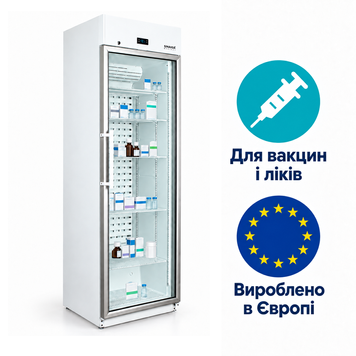
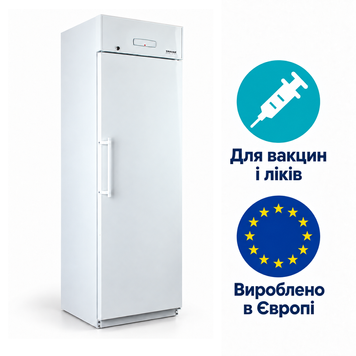
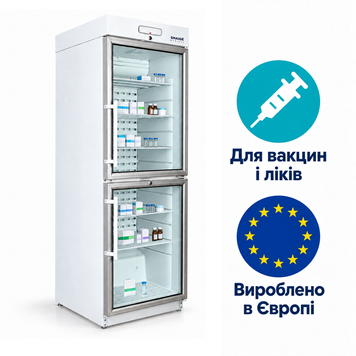
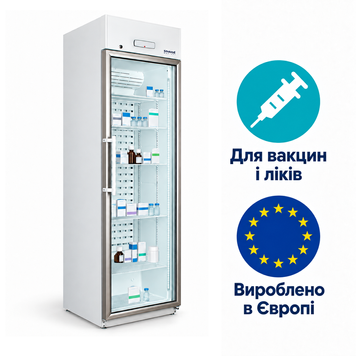
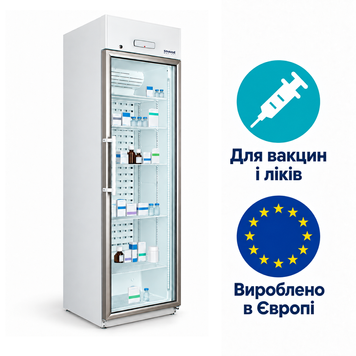
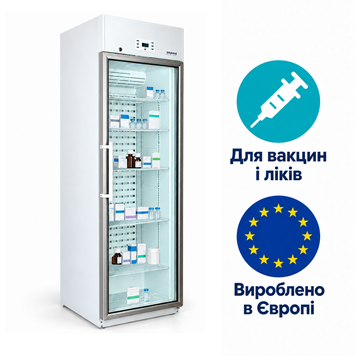
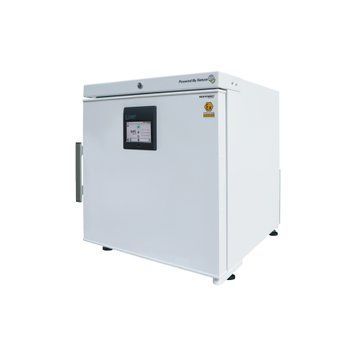
This category includes Evermed MPR, LR, MPRR and LCRR refrigerators, combined LCRF units and Snaige Medical models. Compare compact and large cabinets, single- and twin-compartment configurations, and glass or solid doors by operating temperature, usable capacity and laboratory workflow.
How to choose a laboratory refrigerator
- Temperature range. Check the requirements of every material that will share the cabinet against the model’s operating range.
- Net capacity and organisation. Consider the planned load, shelf arrangement, container height and separation of material groups.
- Doors. Glass doors allow visual checks before opening. Solid doors may suit light-sensitive materials or brightly lit rooms.
- Alarms and monitoring. Confirm the required alarms, logger connections and temperature data export for the selected configuration.
- Installation. Allow for ventilation clearances, room temperature, electrical supply and access for cleaning.
- Commissioning. Where required, complete temperature mapping or qualification under an approved procedure before the working load is introduced.
Laboratory and pharmacy applications
This category focuses on reagents, samples and control materials and includes a broader Evermed range. Pharmacy refrigerators are grouped separately for medicine storage in pharmacies and healthcare facilities. For other pharmaceutical workflows, see pharmaceutical refrigerators.
Options for the laboratory workflow
| Option | Example or family | Practical criterion |
|---|---|---|
| Reagent cabinet | Evermed MPR 530 ADVANCED | Match +2…+15 °C to material instructions; review shelves and monitoring |
| Compact storage | Snaige MD14DC-P600QX2 | 130 L (gross), 100 L (net) as listed; check the actual package load |
| Two temperature ranges | Evermed LCRF and combined models | Check the temperature, capacity and purpose of each compartment |
| Controls and monitoring | Vestfrost R-90i | +2…+20 °C; 90 L gross and 76 L net capacity. Check sensors, records and alarms. |
| Compact and upright cabinets | Antech MPR-68 / MPR-260 | +2…+8 °C; compare the capacity, dimensions, shelves and supplied equipment for each model. |
Frequently asked questions
Can a domestic refrigerator be used in a laboratory?
A domestic model may lack the documented temperature performance, alarms and monitoring needed for a professional process. Suitability must be assessed against the material requirements and laboratory procedures.
What temperature range do reagents require?
There is no universal range. Follow each reagent manufacturer’s instructions and select equipment that can maintain the specified conditions under the planned operating conditions.
When should I choose glass or solid doors?
Glass doors help with frequent visual checks. Solid doors may be appropriate when light protection is important or viewing the contents is unnecessary. The choice depends on the materials and workflow.
Is a separate temperature logger necessary?
This depends on your monitoring procedure and the built-in system. An independent logger can provide a separate record, support alarm checks or connect to central monitoring.
Is temperature mapping required?
Mapping assesses temperature distribution with the planned load. Your quality system or approved procedure determines whether it is required, its scope and its frequency.
Request equipment selection and a quotation
Send the required temperature, maximum stock, installation space and data-recording requirements. We can compare models and confirm the configuration, price and lead time.
All medical refrigerators · Pharmaceutical refrigerators · Combined refrigerator-freezers · Validation and temperature mapping
Configuration and documentation
Record the exact model, version, standard equipment and optional items in the quotation. Request the manual and specification with the conditions under which performance figures are determined. Agree procurement documentation, availability, delivery, warranty and service work for the specific supply.