


|
Quantity
|
Total
|
||
|
|
|||
|
|
|||
Purpose and range
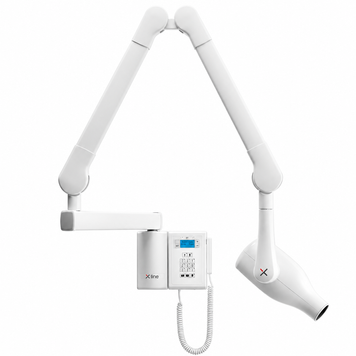
An intraoral X-ray generator exposes a compatible sensor, phosphor plate or film for localized dental imaging. The range includes wall-mounted and mobile Xline XDC and XDI-150 units.
Types and differences
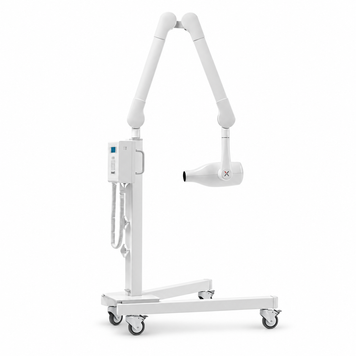
XDC provides 60/70 kV and nine anatomical presets. XDI-150 adds 65 kV, ten presets and a removable touchscreen. Both use 7 mA and a 0.4 mm focal spot. Mobile means a wheeled stand, not a handheld X-ray unit.
How to choose equipment
Start with receptor type, required arm reach and workstations. Compare the interface, exposure range, cone and collimation. A digital X-ray sensor and an optical intraoral scanner have different functions.
Room preparation
For wall-mounted units, check mounting structure, arm clearance, power and controller location. For mobile units, plan movement routes, base clearance and stable positioning. Room protection and workflow are designed for the exact configuration.
Models and prices
Current models and prices; consult each product page for configuration and availability.
| Model | Price |
|---|---|
| Xline XDC wall-mounted intraoral X-ray unit | 185 090.00 UAH |
| Xline XDC mobile intraoral X-ray unit | 224 115.00 UAH |
| Xline XDI-150 wall-mounted intraoral X-ray unit | 205 160.00 UAH |
| Xline XDI-150 mobile intraoral X-ray unit | 247 530.00 UAH |
Configuration and ordering
The price covers the generator in the stated configuration. Specify sensors, plate scanners, computers, software and collimators separately. The XDI-150 laptop tray is a separate price-list option. Record arm length, cone, controller and installation in the order.
Related equipment
Dental suction systems · Dental cone-beam CT scanners · Panoramic dental X-ray systems
Frequently asked questions
How do the models differ?
XDC provides 60/70 kV and nine anatomical presets. XDI-150 adds 65 kV, ten presets and a removable touchscreen. Both use 7 mA and a 0.4 mm focal spot. Mobile means a wheeled stand, not a handheld X-ray unit.
What is included in the price?
The price covers the generator in the stated configuration. Specify sensors, plate scanners, computers, software and collimators separately. The XDI-150 laptop tray is a separate price-list option. Record arm length, cone, controller and installation in the order.
What should be checked before installation?
For wall-mounted units, check mounting structure, arm clearance, power and controller location. For mobile units, plan movement routes, base clearance and stable positioning. Room protection and workflow are designed for the exact configuration.
How should a configuration be selected?
Start with receptor type, required arm reach and workstations. Compare the interface, exposure range, cone and collimation. A digital X-ray sensor and an optical intraoral scanner have different functions.