






|
Quantity
|
Total
|
||
|
|
|||
|
|
|||
Oxygen Concentrators for Home and Medical Facilities
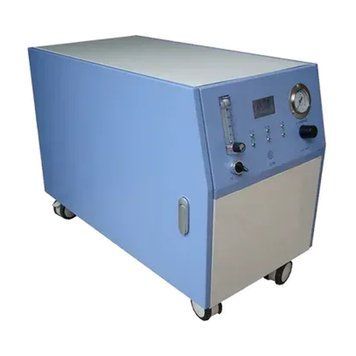
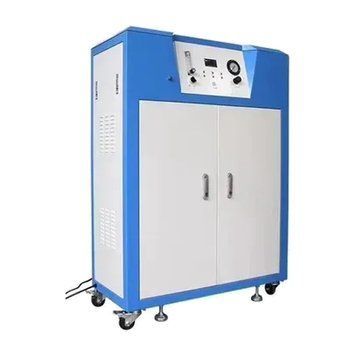
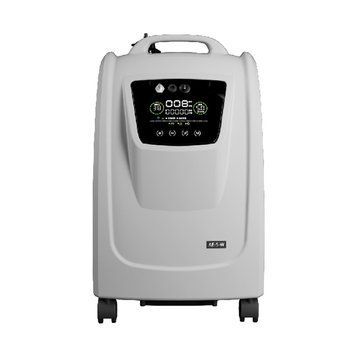
Oxygen concentrators generate an oxygen-enriched gas mixture from ambient air and can be used at home, in wards, treatment rooms and medical gas systems. This category brings together compact and professional models with output from 1 to 20 L/min, including portable kits with a battery and high-pressure solutions for compatible medical equipment.
How to choose an oxygen concentrator
Selection should start with the flow prescribed by a clinician. Compare oxygen concentration at the required flow, outlet pressure, permissible duty cycle, noise level, alarm functions and service requirements. Maximum flow alone is not enough: concentration may change as flow increases, so use the specification table of the exact model.
- For home use, focus on the prescribed continuous flow, operating noise and convenient maintenance.
- For two users or two points, check whether the unit provides independent outlets and the required flow at each outlet.
- For ventilators, anaesthesia machines or a medical gas line, confirm outlet pressure and technical compatibility before ordering.
Available configurations and manufacturers
The range includes oxygen concentrators from BIOMED, Konsung, Yuwell, Olive, AERTI and Viola. Models differ in capacity, pressure, mobility, humidifier configuration, nebuliser outlet, battery option and alarm package. The comparison block on this page helps narrow the choice without making several product pages compete for the same broad category query.
Delivery, warranty and technical service
OSELY helps verify the selected configuration, prepares commercial quotations and arranges delivery across Ukraine. Warranty terms depend on the specific model and are confirmed on the product page and in the sales documents. Filters, compressor assemblies, molecular sieves and high-pressure systems must be serviced according to the manufacturer's instructions.
Medical notice: oxygen flow and duration of therapy must be prescribed by a qualified clinician. The information on this page is for equipment selection and is not medical advice.
What to compare before ordering
| Criterion | What to verify |
|---|---|
| Intended use | Workflow and functions defined by the institution’s responsible specialist |
| Compatibility | Existing equipment, accessories, consumables and interfaces |
| Placement | Dimensions, movement, connections and staff access |
| Procurement | Exact configuration, documentation, training and service terms |
Questions before selection and procurement
How should a technical specification be prepared?
Describe the workflow, required functions and compatibility with existing equipment. The institution’s responsible specialist defines clinical application requirements.
Why compare configurations rather than just base prices?
Quotations may differ in modules, accessories, consumables and connection work. Compare equivalent scopes of supply.
What should be checked before approving an order?
Model and version, intended-use documentation, included equipment, connections, service terms and commissioning arrangements.
What is needed to compare quotations?
A technical specification and an equivalent equipment list for each option. Specify quantity, installation or use location, compatible accessories and documentation requirements. This supports comparison of the complete cost of the required solution.
Configuration and documentation
Record the exact model, version, standard equipment and optional items in the quotation. Request the manual and specification with the conditions under which performance figures are determined. Agree procurement documentation, availability, delivery, warranty and service work for the specific supply.
Models in the catalogue
Open the model page to check specifications, configuration and the current offer: