




|
Quantity
|
Total
|
||
|
|
|||
|
|
|||
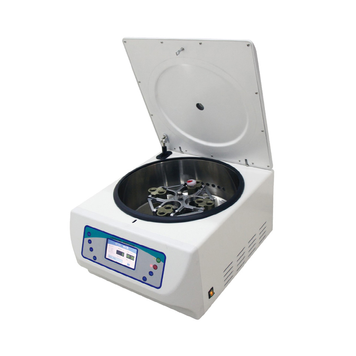
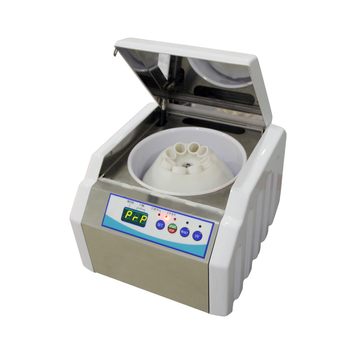
Non-Refrigerated Laboratory Centrifuges
Non-refrigerated laboratory centrifuges are used for protocols that do not require active temperature control. Choose the instrument and rotor together, based on the sample, container and required relative centrifugal force (RCF).
Choose the right centrifuge configuration
Compare tube sizes, rotor capacity, permitted speed and RCF, adapters and the required cycle. Clinical, microcentrifuge, haematocrit and cytology applications use different configurations. Follow the approved laboratory method rather than choosing a universal RPM value.
When is refrigeration needed?
Assess temperature sensitivity and the duration of the run. Where the protocol requires controlled cooling, compare refrigerated centrifuges. Check the model-specific lid lock, imbalance detection and other safety functions.
Selection and supply
Send the tube or container dimensions, batch size and required RCF to OSELY. We can discuss compatible rotors, adapters, documentation and service. Browse all laboratory and medical centrifuges.
What to compare before ordering
| Criterion | What to verify |
|---|---|
| Rotor and protocol | Required RCF, rotor type and permitted operating conditions of the combination |
| Containers | Tube volume and dimensions, lids, buckets and adapters |
| Throughput | Samples per cycle, run duration and frequency |
| Temperature and control | Cooling requirement, programmes, acceleration and braking |
Questions before selection and procurement
Why is maximum rpm insufficient for selection?
Compare the protocol’s required RCF for the specific rotor. Maximum speed and maximum capacity may refer to different rotors on the same centrifuge.
Are the rotor and adapters included in the price?
Check the quotation specification. List every tube or container format and the required buckets, adapters and lids.
How is the need for cooling determined?
Use the method’s temperature requirements, run duration and sample characteristics. Verify cooling capability and operating conditions for the selected instrument and rotor.
What is needed to compare quotations?
A technical specification and an equivalent equipment list for each option. Specify quantity, installation or use location, compatible accessories and documentation requirements. This supports comparison of the complete cost of the required solution.
Configuration and documentation
Record the exact model, version, standard equipment and optional items in the quotation. Request the manual and specification with the conditions under which performance figures are determined. Agree procurement documentation, availability, delivery, warranty and service work for the specific supply.
Models in the catalogue
Open the model page to check specifications, configuration and the current offer: