









|
Quantity
|
Total
|
||
|
|
|||
|
|
|||
Equipment for ophthalmic practices and clinics
Equipment requirements depend on the practice: refraction, ocular imaging, functional assessment, biometry or surgery. This section brings together instruments for these areas and ophthalmic workstations. Start with the required task, then compare specifications and configurations in the relevant category.
Select equipment and request a quotation
For selection, prepare the examination list, patient workload, room layout and inventory of existing instruments.
Equipment areas and selection criteria
On a phone, scroll wide tables horizontally.
| Area and category | What to compare | Example in the catalog |
|---|---|---|
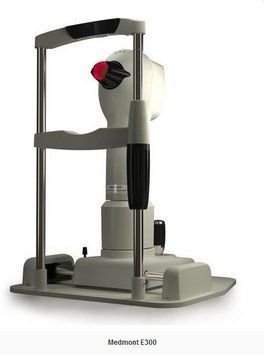
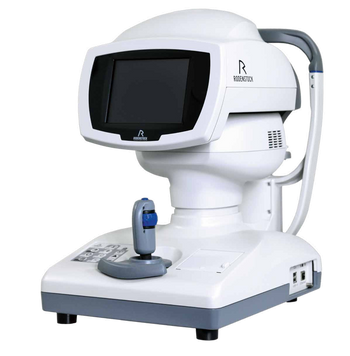
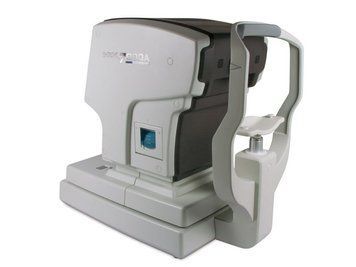
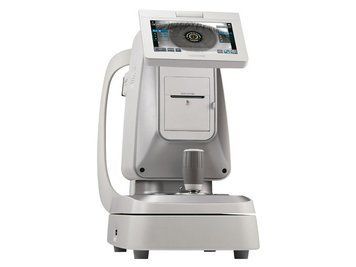
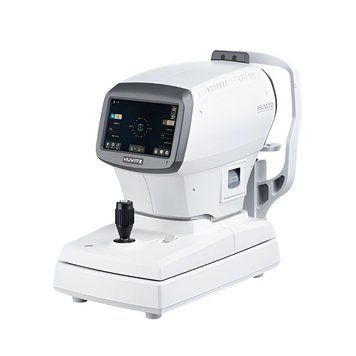
| Autorefractor keratometers | Refraction and keratometry: measuring ranges, minimum pupil size, alignment automation and data export. | RK-160 |
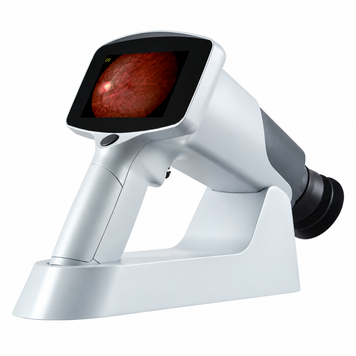
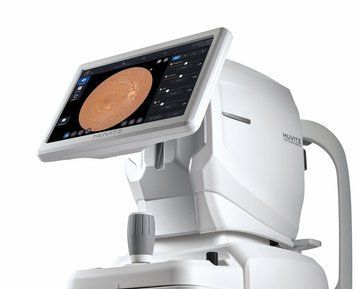
| Fundus cameras | Fundus photography: field of view, capture modes, pupil requirements and image archiving. | AFC-330 |
| Corneal topography systems | Corneal mapping: measurement method, available maps, analysis and data export. | HTG-1 |
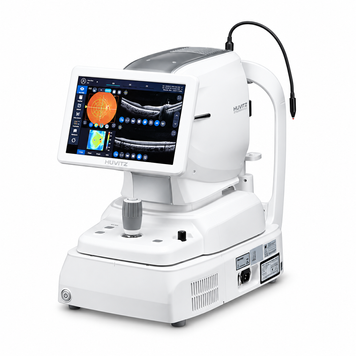
| Optical coherence tomography systems | Optical coherence tomography: scan areas, protocols, image analysis and included software modules. | Huvitz HOCT-1F |
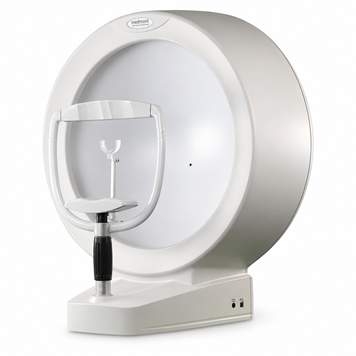
| Automated visual field analyzers | Visual field assessment: testing strategies, stimuli, fixation monitoring and reports. | FREY AP-300 |
| Non-contact ophthalmic tonometers | Intraocular pressure measurement: method, range, automation and any additional measurements in the specific version. | Huvitz HNT-1 |
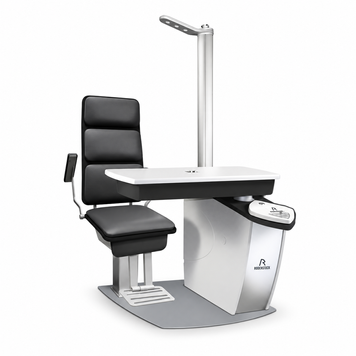
| Ophthalmic workstations | Workspace organisation: dimensions, chair, instrument arrangement, load capacity and patient access. | Huvitz HRT-7000 |
| Phacoemulsification systems | Ophthalmic surgery: intended configuration, handpieces, cassettes, instruments and compatible consumables. | Bausch + Lomb Stellaris Elite |
| Optical biometers | Optical biometry: measured parameters, method, calculation formulas and data transfer. | Huvitz HBM-1 |
Planning a coordinated equipment configuration
Separate current examination requirements from possible future expansion. Check which functions are already available in existing instruments to avoid duplication. For software-enabled systems, compare the licences and functions included in the quoted configuration. Select furniture and workstations after confirming instrument dimensions and installation arrangements.
Manufacturer information and documents
Configuration, pricing and procurement
For a quotation, specify the required configuration, number of instruments, installation city and services needed. Agree options, consumables, commissioning and staff familiarisation separately. Documentation, delivery times and warranty terms are specified in the quotation and contract. See the model page for its current price or quotation request option.
Questions before selection and procurement
Does every practice need all these instruments?
Equipment depends on the practice profile, examination list and patient workload. A diagnostic practice, optical store and surgical centre may require different configurations.
Does a fundus camera replace OCT?
They use different imaging methods. A fundus camera captures photographs of the fundus, while OCT provides tomographic imaging; selection depends on the examinations required.
What should be checked in the software?
Included modules and licences, patient records, export formats, integration with other instruments and update terms. A feature advertised for a product family is not necessarily included in every supplied configuration.
What is needed for a clinic equipment quotation?
An examination list, room layout, expected workload and existing equipment inventory. For surgery, agree the system, instruments and consumables separately.