

|
Quantity
|
Total
|
||
|
|
|||
|
|
|||
Freeze Dryers and Vacuum Concentrators
Freeze drying and vacuum concentration both use reduced pressure, but solve different tasks. A freeze dryer removes water from pre-frozen material by sublimation, while a vacuum concentrator accelerates solvent evaporation to reduce sample volume and increase concentration.
Main equipment groups
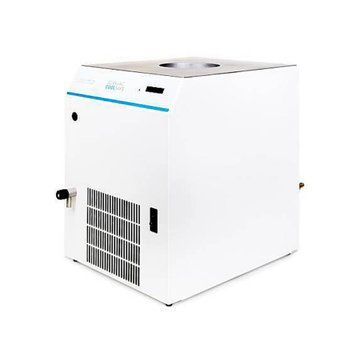
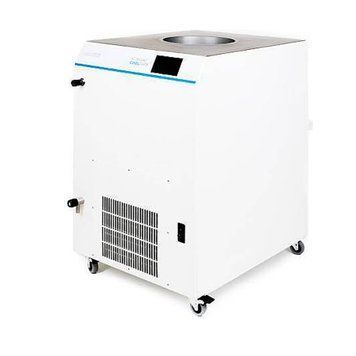
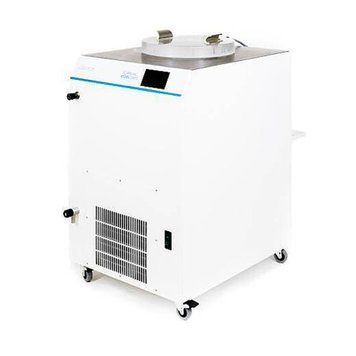
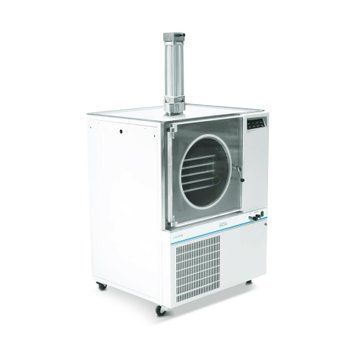
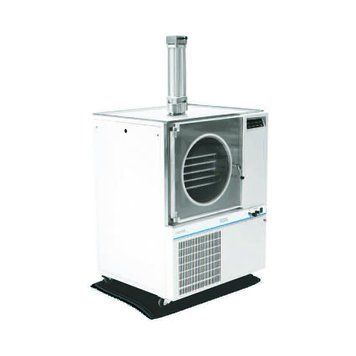
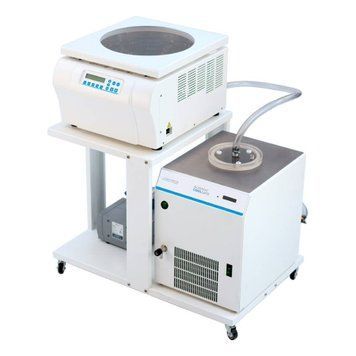
- Laboratory freeze dryers — bench-top and floor-standing systems for flasks, chambers, trays or vials;
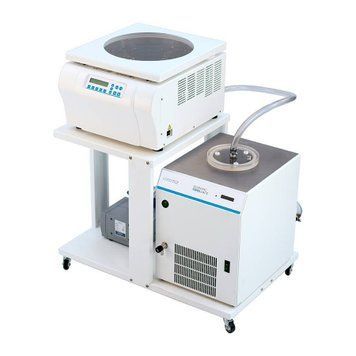
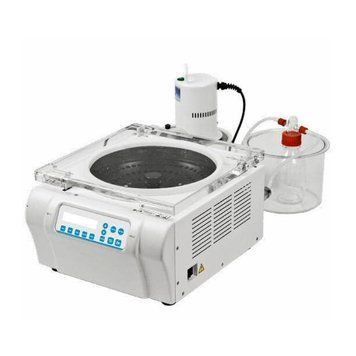
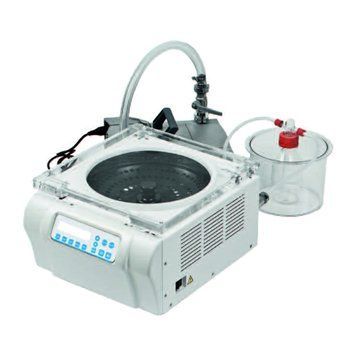
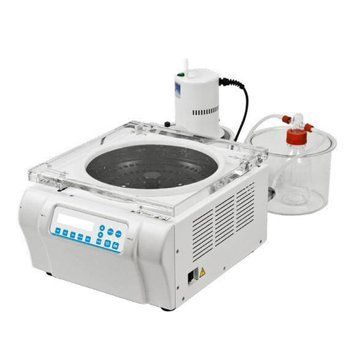
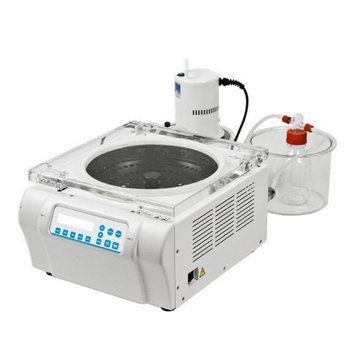
- Vacuum concentrators — centrifugal systems for sample concentration and solvent removal;
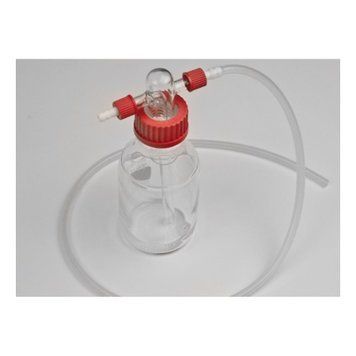
- Vacuum pumps and traps — components that create the required vacuum and protect the pumping system.
Vacuum pumps and supporting equipment
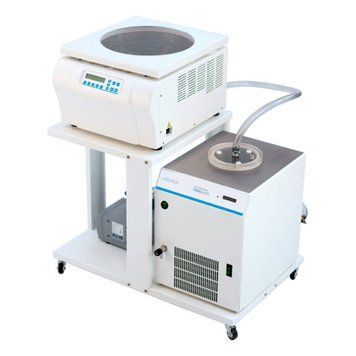
A configuration may include diaphragm vacuum pumps, rotary-vane and chemical pumps, or the VacSafe 15 vacuum trap and pump. Compatibility depends on the required ultimate pressure, solvent type, vapour load and system configuration.
How to select a system
Key factors include sample type and starting volume, solvent composition, required final product form, condenser temperature, ice capacity, vacuum level, rotor or chamber capacity and operating mode. OSELY specialists can assemble a compatible configuration and prepare a quotation.
Choose the appropriate section
| Equipment | Selection focus |
|---|---|
| Laboratory Freeze Dryers | Laboratory freeze dryers for sample lyophilization, with bench-top and floor-standing configurations, condenser capacities and temperatures. |
| Vacuum Concentrators | Laboratory vacuum concentrators for gentle solvent evaporation and sample concentration. LaboGene equipment, consultation and delivery in Ukraine. |
Questions before selection and procurement
Is a matching headline specification enough to compare models?
No. Compare the full configuration, operating conditions, accessories and method constraints. Maximum figures may apply only under specified loads.
How should room readiness be checked?
Provide installation dimensions and available utilities. Compare them with the model manual before agreeing the supply configuration.
What belongs in the specification?
The main instrument, modules, holders, consumables, documentation, installation and acceptance checks. List optional equipment separately.
What is needed to compare quotations?
A technical specification and an equivalent equipment list for each option. Specify quantity, installation or use location, compatible accessories and documentation requirements. This supports comparison of the complete cost of the required solution.
Configuration and documentation
Record the exact model, version, standard equipment and optional items in the quotation. Request the manual and specification with the conditions under which performance figures are determined. Agree procurement documentation, availability, delivery, warranty and service work for the specific supply.