

|
Quantity
|
Total
|
||
|
|
|||
|
|
|||
Dental milling machines — selection and configuration
A dental milling machine produces restorations from a digital design and a CAM toolpath. The blank material determines the processing method: compatible dry systems process presintered zirconia, wax and PMMA, while glass ceramics and metals require suitable machine configurations.
Select equipment and request a quotation
State your method, workload and required options to prepare a comparable quotation.
Choosing a dental mill
- Axis count, available angles and restoration geometry.
- Disc diameter, block format and holders.
- Spindle, tool magazine, extraction and compressed air.
- CAM license, postprocessor, service and milling tools.
The workflow includes scanning, design and material finishing. Zirconia requires a validated cycle in a sintering furnace. Materials, software and the startup package are agreed before ordering.
Catalogue models: laboratory and chairside workflows
| Model | Workflow and processing | Price, UAH |
|---|---|---|
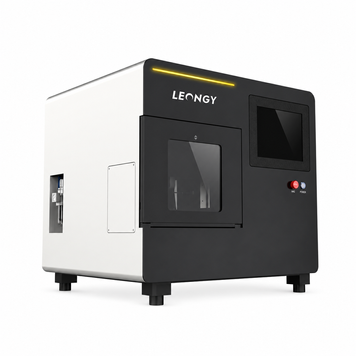
| Leongy 5-axis dry | Five axes, dry processing; laboratory workflow | 693 000 |
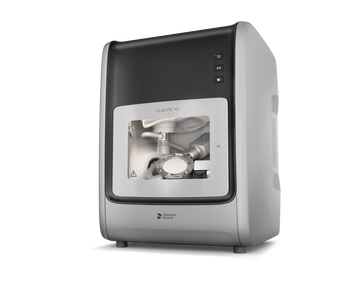
| Dentsply Sirona inLab MC X5 | Five axes, discs and blocks, wet and dry modes | 1 034 000 |
| Dentsply Sirona CEREC Primemill | Chairside CEREC workflow, milling and grinding | 1 549 597,50 |
Prices as of 25 September 2026. These units differ in workflow, compatible materials and tooling. The public Leongy offer does not specify a separate factory model code. The delivery package, software and commissioning are agreed for each order; the machine price does not cover a complete dental laboratory.
Configuration, pricing and procurement
For a quotation, specify the required configuration, number of instruments, installation city and services needed. Agree options, consumables, commissioning and staff familiarisation separately. Documentation, delivery times and warranty terms are specified in the quotation and contract. See the model page for its current price or quotation request option.
Questions before selection and procurement
How should the equipment fit clinic and laboratory workflows?
Agree materials, working instruments, software and interfaces. For digital workflows, check file formats and licences; for material processing, verify permitted programs and accessories. Record compatibility for the exact configuration.
Which models are listed and how do they differ?
Leongy 5-axis dry supports dry laboratory processing. inLab MC X5 works with discs and blocks in compatible wet and dry modes. CEREC Primemill supports digital chairside milling and grinding. Select by materials, blank formats, software licences and required throughput; compatible restoration types depend on the chosen configuration.
What should be considered for the Leongy 5-axis dry configuration?
These parameters describe the publicly priced Leongy configuration. The offer does not specify a separate factory model code. The CAM license, postprocessor, milling tools, extraction and commissioning are agreed in the specification. Spindle water cooling does not imply wet blank processing. Individual material compatibility must follow the validated machining workflow.
How should a procurement specification be prepared?
Use the criteria in this dental milling machines guide and add your operating, installation and compatibility requirements. Separate essential functions from preferred options, and specify quantities, documentation and acceptance criteria to compare complete configurations.