





|
Quantity
|
Total
|
||
|
|
|||
|
|
|||
Browse equipment for neurophysiological diagnostics, sleep studies and neurostimulation by application.
Neurophysiological diagnostics and sleep studies
Neurostimulation
Planning your equipment configuration
This section covers electromyography, electroencephalography, sleep studies and transcranial magnetic stimulation. Start with the intended methods: recording channels, sensors, synchronisation and software modules must match the planned workflow.
Select equipment and request a quotation
Describe your department’s requirements to prepare an equipment list for review.
Equipment categories and intended applications
| Category | Purpose and selection considerations |
|---|---|
| Electromyography systems | An electromyograph records electrical signals from muscles. Systems with a stimulator also support peripheral nerve conduction studies. Available methods depend on the amplifier, software and supplied configuration. |
| Electroencephalography systems | Electroencephalographs record the bioelectrical activity of the brain. A computer-based system combines an amplifier, electrodes and software for recording, reviewing and analysing EEG signals. |
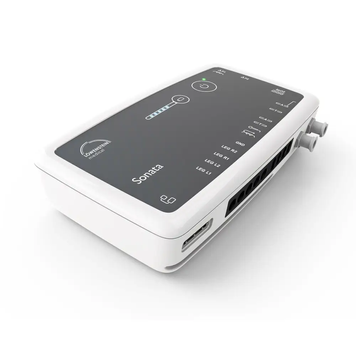
| Polysomnography systems | A polysomnography system synchronously records physiological signals during sleep. Depending on configuration and study protocol, channels may include EEG, EOG, EMG, ECG, respiratory signals, oxygen saturation and body position. |
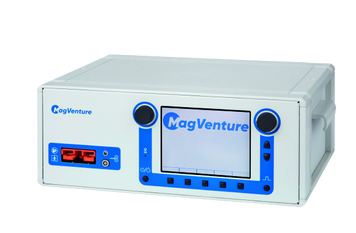
| Transcranial magnetic stimulation systems | A TMS system generates pulsed magnetic fields through a stimulation coil. Professional configurations are selected for permitted operating modes, clinical or research use and trained personnel. |
Compatibility and site preparation
Specify the studies, electrodes and stimulators, recording duration, video synchronisation and export format. For a sleep laboratory, define respiratory and movement sensors, long-term record storage and the review workstation. For TMS, agree the coil, cooling and supported protocols using the manufacturer documentation.
Configuration, pricing and procurement
For a quotation, specify the required configuration, number of instruments, installation city and services needed. Agree options, consumables, commissioning and staff familiarisation separately. Documentation, delivery times and warranty terms are specified in the quotation and contract. See the model page for its current price or quotation request option.
Questions before selection and procurement
How do EMG, EEG and polysomnography differ?
EMG examines neuromuscular function, EEG records brain electrical activity, and polysomnography combines physiological signals during sleep. Their channel and sensor requirements therefore differ.
Is channel count enough to compare systems?
No. Compare channel types, supported methods, acquisition performance, synchronisation, software licences and compatible electrodes. Equal channel counts do not imply equivalent configurations.
Is TMS a diagnostic recording system?
A TMS system generates magnetic stimulation pulses. It is distinct from an EEG or EMG recorder; compatible recording and auxiliary modules require separate specification.
What should a sleep laboratory enquiry include?
State the study format, simultaneous recordings, required signals, video, workstations and archiving workflow. A sensor and licence list makes quotations comparable.